
I AM LEGEND: THE DARKEST POST-APOCALYPTIC BOOK EVER WRITTEN?


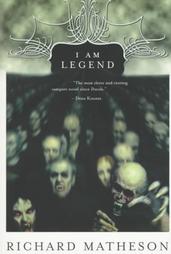 Some may prefer to think of an M-16-packing Will Smith as the protagonist of Richard Matheson’s I AM LEGEND. Some may picture OMEGA MAN’s Charleton Heston driving a convertible Mustang through darkening streets, his submachine gun slung on the seat beside him. But when others read LEGEND, they see a dusty man in baggy clothes. There’s nothing glamorous about him, not a hint of the jaw-clenching confidence of a Hollywood star. He’s thin. His eyes are red-rimmed and he appears to be as mad as Don Quixote alone a hundred years into purgatory, tilting at corpses.
What is it about early postwar sci-fi that makes its worlds seem so dark and realistically shabby? Proximity to nuclear annihilation? The poorly forgotten horrors of World War Two? The rote mediocrity of peace after the time of global death and flame ended, the famished beginning of the age of mass consumption? Or is it only that we’ve been conditioned by the black-and-white movies of that time?
Whatever it is, Richard Matheson’s I AM LEGEND is shot through with it. This book is wonderfully dark. Neville drinks. He sweats and laughs and cooks and eats and cries and, in between bouts of near-insanity, he kills people. It seems as if killing is the most rational thing left to do. And Matheson puts the reader right there with him.
Of course the people Neville kills aren’t people anymore. He’s the only unmutated person left alive, as far as he knows. He’s alone and manic and the others aren’t fully human and they want to kill him, and so his extreme paranoia is justified. It’s a classic “bunker” book, almost completely sociopathic but for Neville’s doomed attempts to cure the afflicted. And the ending provides a sardonic chill, a lovely black hole for hope.
But is I AM LEGEND the darkest post-apoc book ever written? Can it match THE ROAD’s poetic blasts of human depravity? Is it in the same league as ON THE BEACH?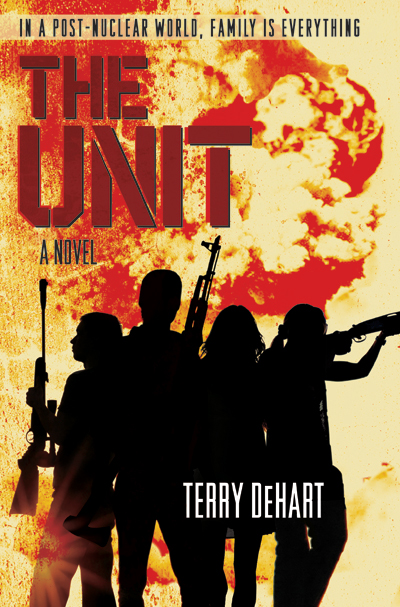
What do you think?
(This is Terry DeHart’s second post on post-apocalyptic tales. The first explored A CANTICLE FOR LEIBOWITZ . His own contribution to the literature itself, his debut novel THE UNIT has been called by Publishers Weekly “a striking picture of human vulnerability and strength.”)